Recent global events — COVID-19, the Russia-Ukraine war, and rising US-Israel-Iran tensions — highlight the urgent need for Ghana to prioritize national security and economic resilience. Adding to these concerns are insecurity issues within the African sub-region, including terrorism in the Sahel, piracy in the Gulf of Guinea, and instability in neighbouring countries.
The vulnerability of a developing nation like Ghana to external shocks underscores the importance of proactive, forward-looking innovation. Ghana cannot afford to be reactive in a world where the next crisis is always around the corner.
"Ghana must invest in intelligence and cybersecurity to safeguard its national interests."
Gold Reserves: A Lesson in Foresight
Ghana's Gold for Reserves programme, credited to the Akufo-Addo/Bawumia administration, aimed at strengthening the country's financial stability. By leveraging gold reserves, Ghana gained meaningful latitude to reduce its reliance on foreign currencies — a critical buffer in an era of dollar volatility.
We have consistently argued that suspending the Gold for Oil (G4O) programme in 2025 was not the best decision. Introduced in 2022, the programme allowed Ghana to exchange gold for imported petroleum, easing pressure on foreign exchange reserves. Had it remained in place, it would have provided two critical advantages during the current US-Israel-Iran tensions:
- Price stability: It would have helped shield consumers from forex fluctuations and rising global oil prices.
- Foreign exchange conservation: Ghana would have conserved scarce dollar reserves, reducing pressure on the cedi at a time when every dollar counts.
Such innovations must be protected and built upon in Ghana's quest for sustainable economic stability. The lesson is clear — programmes that reduce dependence on the dollar and hedge against global volatility are not luxuries. They are necessities.
The Path Forward
As global uncertainties persist, Ghana must act swiftly and decisively to safeguard its future. Investing in security infrastructure, economic resilience, and strategic reserves is not optional — it is the foundation upon which a stable nation is built for posterity. The world will not wait for Ghana to be ready. Ghana must be ready for the world.
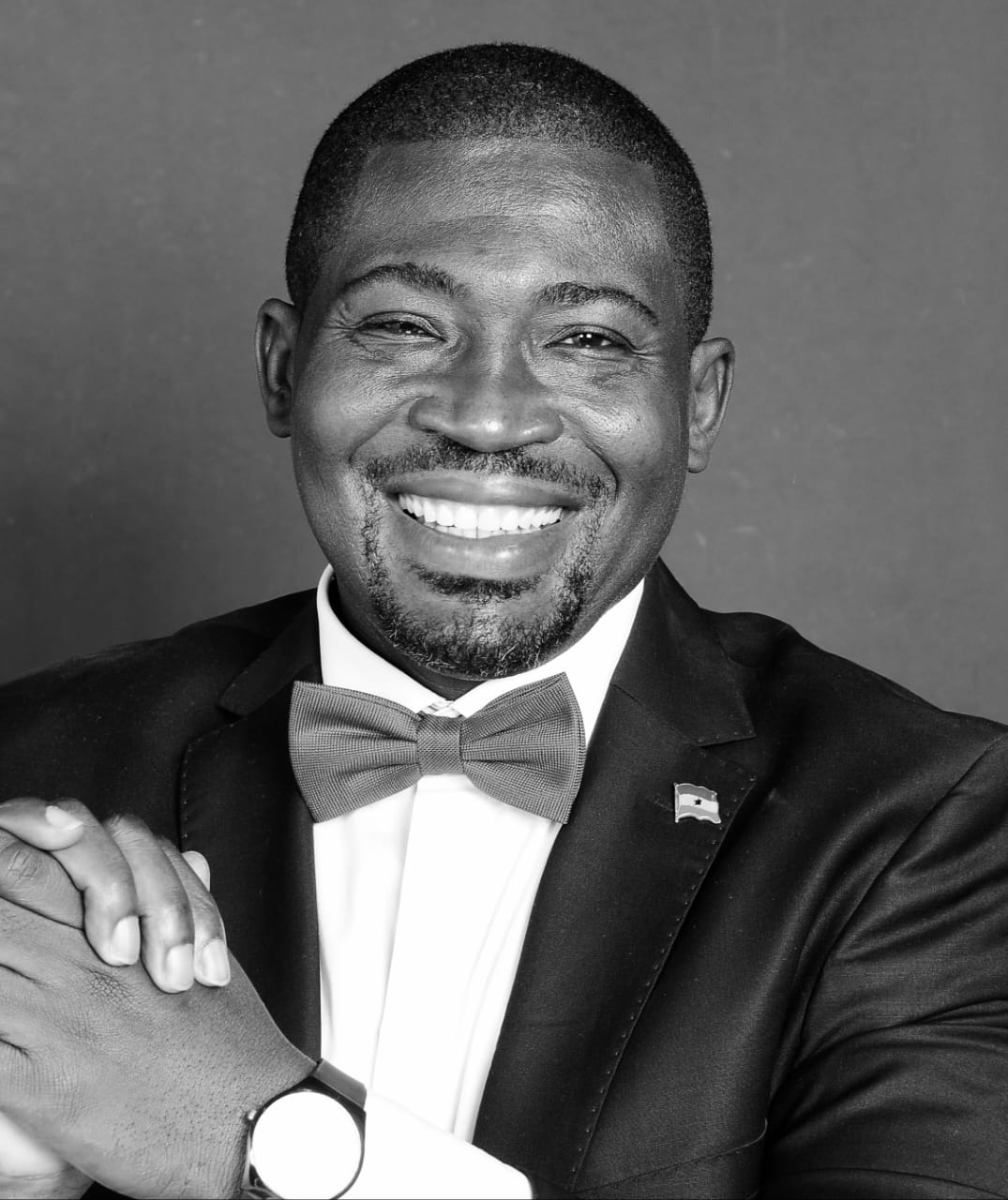
Mathias Bonzo-Ewereko Boateng
Executive Director, Centre for Global Affairs and Responsible Governance